


Why Does Your Knee Hurt More While Climbing Stairs?
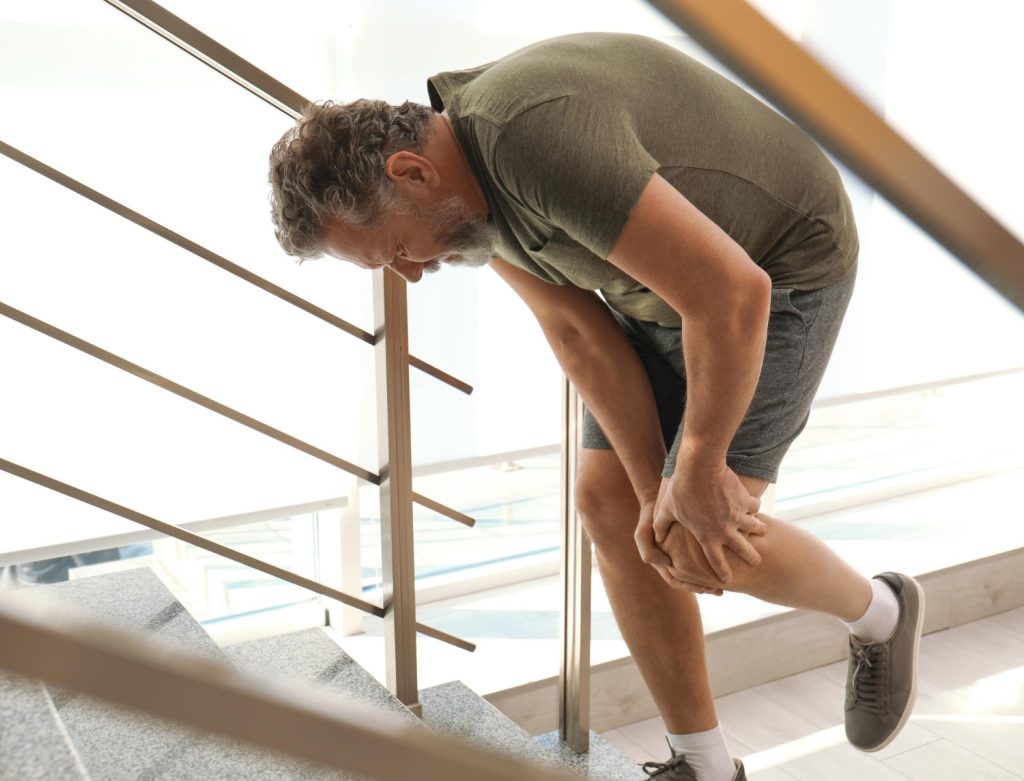
Climbing stairs places nearly 3 to 4 times your body weight through the knee joint. During this movement, the knee bends deeply while the quadriceps and hip muscles work harder to lift your body. If these muscles are weak or if the knee joint is swollen, the more load can cause pain.
Pain while climbing stairs should never be ignored, especially if it stays for more than a few weeks.
Common Causes of Knee Pain While Climbing Stairs
1. Patellofemoral Pain Syndrome (Runner's Knee)
Pain is around or behind the kneecap due to poor patellar (Knee cap) tracking, muscle imbalance or overuse. This condition is commonly seen in runners, gym-goers and young adults.
Common Symptoms
Pain while climbing or coming down stairs
Pain after long time sitting
Clicking or grinding sensation around the kneecap
2. Knee Osteoarthritis
As cartilage (the cushioning of knee joint) gradually wears down with age, the knee becomes stiff and painful during weight-bearing activities such as stair climbing.
Common Symptoms
Morning stiffness
Swelling around the knee
Difficulty getting up from a chair
Pain that gets bad with activity
3. Patellar Tendinopathy
Often called "Jumper's Knee," this condition affects the tendon connecting the kneecap to the shin bone.
Common Symptoms
Pain below the kneecap
Pain during jumping, running, or stair climbing
Tenderness over the tendon
4. Muscle Weakness and Poor Movement Control
Weak quadriceps, gluteal muscles (buttock muscles) , and poor hip stability increase stress on the knee joint, making everyday activities more painful.
When Should You Consult a Physiotherapist?
Seek professional physiotherapy assessment if you experience:
Knee pain lasting longer than 2 weeks
Swelling around the knee
Difficulty climbing or descending stairs
Knee locking or giving way
Pain while walking or exercising
Difficulty performing daily activities
Early treatment often leads to faster recovery and prevents long-term joint damage.
How Physiotherapy Can Help
At Cura Advanced Physiotherapy Centers, every patient undergoes a detailed clinical assessment to identify the exact cause of knee pain before treatment begins.
Your personalized rehabilitation program may include:
Comprehensive bio-mechanical assessment
Pain management techniques
Manual Therapy
Joint Mobilization
Dry Needling (when clinically indicated)
Soft Tissue Release
Strengthening exercises for the quadriceps, glutes, and core
Balance and proprioception training
Gait and stair-climbing retraining
Sports-specific rehabilitation
Clinical Pilates-based rehabilitation for movement correction
Home exercise program with progressive loading
Our goal is not just pain relief but restoring strength, confidence, and long-term function.
Tips to Reduce Knee Pain While Climbing Stairs
Use the handrail for additional support.
Climb stairs slowly without rushing.
Wear supportive footwear.
Maintain a healthy body weight.
Continue strengthening exercises regularly.
Why Choose Cura Advanced Physiotherapy Centers?
At Cura Advanced Physiotherapy Centers, we combine advanced clinical assessment with evidence-based rehabilitation to help patients recover safely and effectively.
We Offer
Evidence-Based Physiotherapy
Advanced Manual Therapy
Dry Needling Therapy
Clinical Pilates Rehabilitation
Sports Injury Rehabilitation
Post-Surgical Knee Rehabilitation
ACL Rehabilitation
Osteoarthritis Management
Personalized Exercise Programs
Home Physiotherapy Services (Selected Locations)
Our experienced physiotherapists have successfully treated thousands of patients with knee pain, sports injuries, arthritis, post-operative rehabilitation, and movement disorders.
Visit Our Physiotherapy Clinics
You can consult our expert physiotherapists at any of our convenient locations:
Whether you're suffering from knee pain, sports injuries, arthritis, or post-surgical stiffness, our team is here to help you move better and live pain-free.