

Stroke is a serious medical condition that occurs when there is a sudden disruption of blood flow to the brain, leading to the rapid loss of brain function. It is a medical emergency that requires immediate attention and intervention.
We will delve into the importance of recognizing the signs and symptoms of a stroke, the diagnostic process, and the various treatment options available to improve patient outcomes.
Recognizing the Signs and Symptoms :
Recognizing the signs and symptoms of a stroke is crucial for early intervention. The most common signs of a stroke can be remembered using the acronym "FAST":
1)Face Drooping: One side of the face may droop or feel numb. Ask the person to smile to check for facial asymmetry.
2)Arm Weakness: One arm may become weak or numb. When raising both arms, one arm may drift downward.
3)Speech Difficulty: Speech may become slurred or difficult to understand. The person may be unable to speak or find the right words.
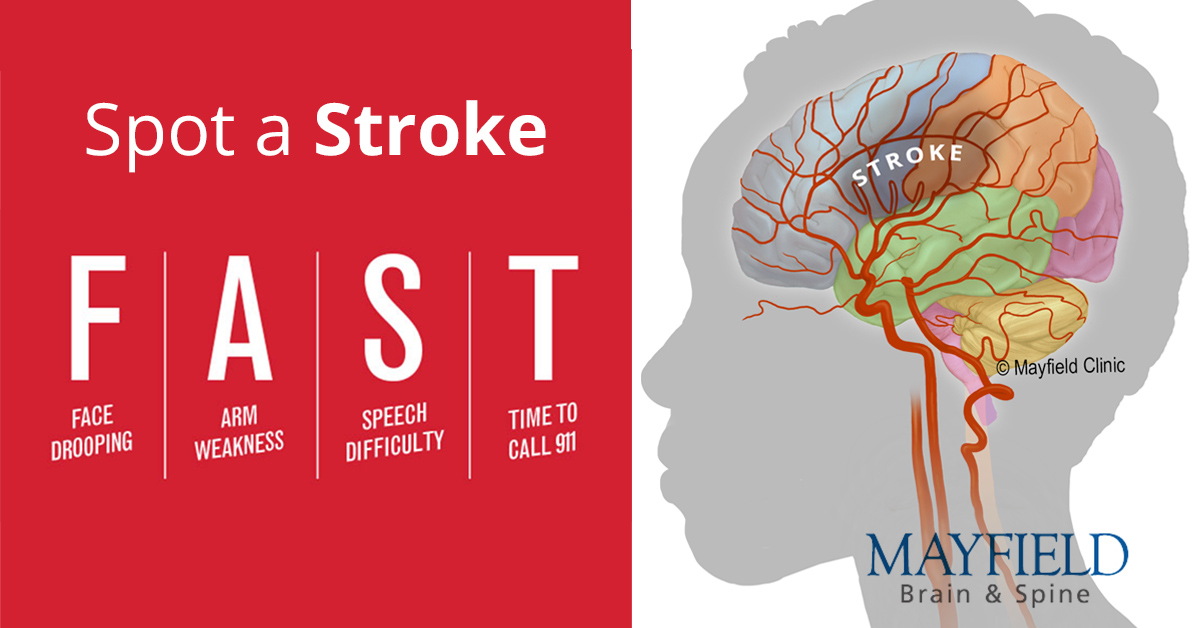
4)Time to Call Emergency Services: If any of these symptoms are present, it's essential to call emergency services immediately. Time is of the essence in stroke treatment.
Diagnostic Process :
Upon arrival at the hospital, a healthcare professional will conduct a thorough evaluation to confirm the diagnosis of stroke.
The diagnostic process may include the following:
1)Physical Examination: The medical team will assess the patient's neurological function, focusing on the motor skills, reflexes, and sensory responses.
2)Medical History: The patient's medical history, including risk factors like hypertension, diabetes, smoking, and previous stroke incidents, will be evaluated.
3)Brain Imaging: Imaging tests such as a computed tomography (CT) scan or magnetic resonance imaging (MRI) will be performed to visualize the brain and identify the type of stroke (ischemic or hemorrhagic).
4)Blood Tests: Blood tests will be conducted to check for clotting disorders, blood sugar levels, and cholesterol levels, which may contribute to stroke risk.
Treatment Options :
The treatment for stroke varies depending on the type and severity of the stroke and how quickly medical attention is sought. The two primary types of stroke treatment are:
1)Ischemic Stroke Treatment:
A) Thrombolytic Therapy: In some cases, a clot-dissolving medication called tissue plasminogen activator (tPA) can be administered within a specific time window to restore blood flow and reduce damage.
B) Endovascular Procedures: In more severe cases, a procedure known as mechanical thrombectomy may be performed to physically remove the blood clot causing the stroke.
2) Hemorrhagic Stroke Treatment:
A) Controlling Bleeding: The medical team will focus on controlling bleeding and reducing pressure on the brain caused by the ruptured blood vessel.
B) Surgical Interventions: In some cases, surgical procedures may be necessary to repair the damaged blood vessels and stop bleeding.
Post-Stroke Physiotherapy:
After the initial treatment, stroke rehabilitation plays a vital role in helping patients regain function and independence.
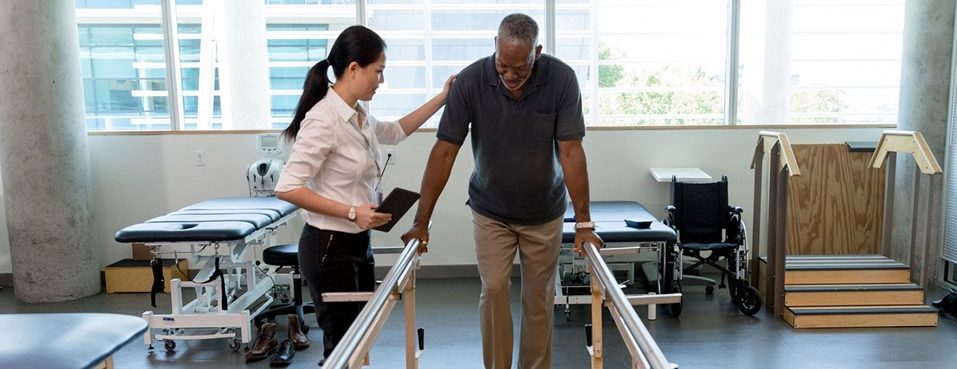
Rehabilitation programs may include physical therapy, occupational therapy, speech therapy, and psychological support to address any emotional and cognitive challenges.
Preventing Future Strokes :
Preventing recurrent strokes is essential to ensure the long-term well-being of stroke survivors. Lifestyle modifications, including a healthy diet, regular exercise, smoking cessation, and managing chronic conditions like hypertension and diabetes, can significantly reduce the risk of future strokes.
Understanding how to diagnose and treat stroke is crucial for improving patient outcomes and reducing the impact of this life-threatening condition.
Recognizing the signs and symptoms of a stroke and seeking immediate medical attention can make all the difference in saving lives and preventing long-term disability. By staying informed and promoting a healthy lifestyle, we can collectively work towards reducing the burden of stroke in our communities and improving overall public health.