

Menopause, once shrouded in taboo and secrecy, is now becoming a topic of open discussion and acceptance. This natural phase marks the end of a woman's reproductive years, typically occurring in her late 40s or early 50s. Instead of viewing menopause as a negative event, society is beginning to recognize it as a significant milestone in a woman's life. We will explore how menopause is shedding its stigma, and more importantly, why women should prioritize their health, both mental and physical, during this transformative stage of life.
The End of Silence: Embracing Menopause
For decades menopause was regarded as a private matter, rarely discussed in public or even within families. This lack of open dialogue perpetuated misconceptions and contributed to the negative stigma surrounding menopause.
Fortunately, this is changing. Women, health professionals, and advocates are challenging these norms, encouraging open conversations about menopause's impact on women's lives. This newfound transparency helps debunk myths, educates others about the realities of menopause, and fosters empathy and understanding.
Understanding Menopause and its Symptoms :
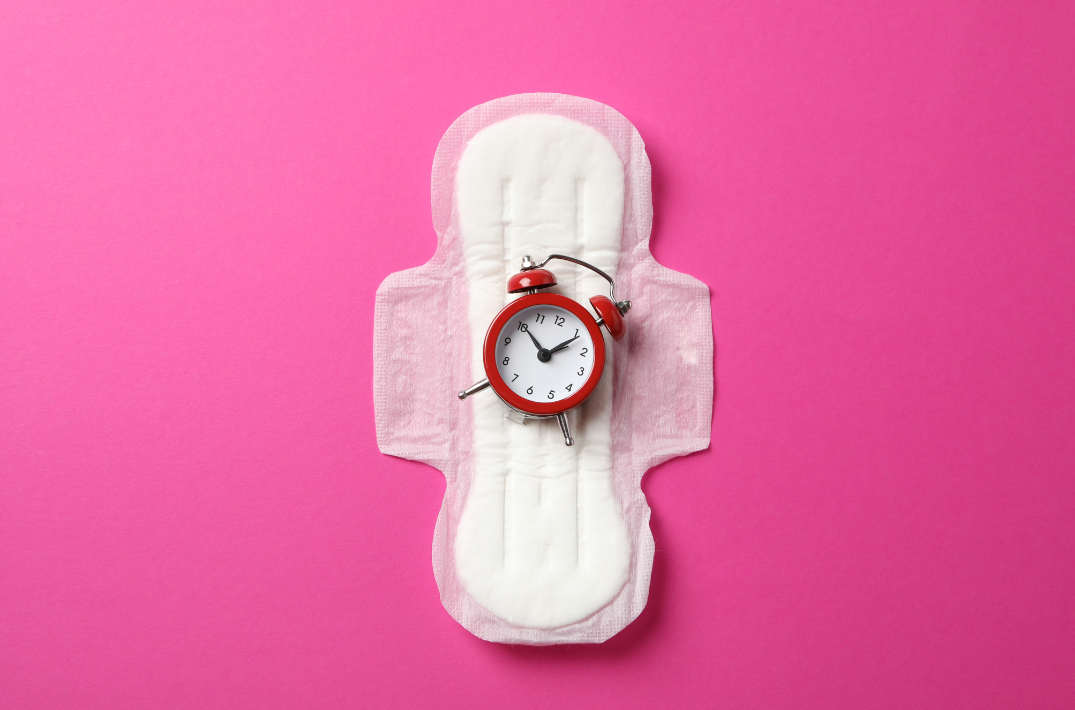
Menopause signifies the end of menstrual cycles, accompanied by hormonal changes that can lead to various physical and emotional symptoms. Common physical symptoms include hot flashes, night sweats, vaginal dryness, changes in sleep patterns, and weight fluctuations. Emotionally, menopause can cause mood swings, irritability, anxiety, and even feelings of sadness or depression. By understanding these symptoms, women can better cope with the changes and seek appropriate support when needed.
Prioritizing Physical Health :
Maintaining good physical health is crucial during menopause. Regular exercise, a balanced diet, and adequate sleep are foundational pillars of well-being. Exercise, in particular, can help manage weight, reduce the frequency and intensity of hot flashes, and boost overall mood and energy levels. A diet rich in nutrients like calcium and vitamin D can help preserve bone health and reduce the risk of osteoporosis, which becomes a concern after menopause. Additionally, staying hydrated and limiting caffeine and alcohol intake can alleviate some menopausal symptoms.
Seeking Professional Help :
While menopause is a natural process, some women may experience severe symptoms that significantly affect their quality of life. Seeking professional help, such as consulting a gynecologist or menopause specialist, can provide valuable insights and treatment options tailored to individual needs.
Hormone replacement therapy (HRT) is one such option that can be beneficial for some women in managing menopausal symptoms. However, it's essential to discuss the potential benefits and risks with a qualified healthcare provider.
Addressing Mental Health :
The emotional aspects of menopause should not be underestimated. The hormonal changes during this time can affect mood and mental well-being. It's essential for women to prioritize their mental health by practicing stress-reduction techniques like mindfulness, meditation, or yoga. Engaging in hobbies, spending time with loved ones, and seeking professional counseling or therapy if needed can also be immensely beneficial in navigating the emotional challenges that menopause may bring.
Supporting Each Other :
Women experiencing menopause should feel comfortable sharing their experiences and seeking support from friends, family, and fellow women. When women support each other during this phase, it can foster a sense of community, dispel isolation, and create an environment of acceptance and understanding. The shared wisdom and guidance from older women who have already gone through menopause can be particularly valuable and reassuring for those just starting this journey.
Menopause is a natural and inevitable phase of a woman's life, and it should no longer be shrouded in secrecy or stigma. By embracing menopause openly, we can pave the way for a healthier and more compassionate approach to this transformative stage.
Prioritizing self-care, both physically and mentally, can empower women to navigate menopause with grace and confidence. By breaking the taboo around menopause, we create a supportive and inclusive environment where women can share their experiences, learn from one another, and embrace the beauty of this new chapter in their lives.
Let us celebrate menopause as a time of wisdom, growth, and self-discovery, and let women thrive during this empowering phase.

