


Your hormones shift, your posture changes, your muscles stretch, your organs move, and your entire centre of gravity re-adjusts to accommodate your growing baby.
And while every pregnancy is unique, one thing is the same for every mother-to-be: your body needs proper care and support at every stage to help you feel your best.
At Cura Advanced Physiotherapy Center , our Women's Health team led by Dr.Krutika Bhoir PT has helped hundreds of mothers across Parel, Lower Parel, Dadar, Wadala and greater Mumbai navigate pregnancy and postpartum recovery with expert antenatal and postnatal care, personalised physiotherapy, and guided pregnancy yoga.
In this guide, we're breaking down exactly what happens to your body in each trimester and what you can do, with the right support, to stay strong, comfortable, and confident every step of the way.
First Things First: Why Does Pregnancy Change Your Body So Much?
Before we dive into each trimester, it helps to understand why the body changes so dramatically during pregnancy.
The moment you conceive, your body begins releasing a flood of hormones including progesterone, oestrogen, relaxin, and human chorionic gonadotropin (hCG) all of which play essential roles in keeping your baby safe and growing. One of the most significant hormones is relaxin, which literally softens and loosens your joints, ligaments, and connective tissue to prepare your body for childbirth.
This is both brilliant and challenging because while it makes your body more flexible, it also makes you more prone to joint instability, pelvic pain, and injury if you're not supported correctly.
Add to that the significant weight gain, a shifting centre of gravity, changes in posture, and the physical demands of labour and it becomes clear why pregnancy care, antenatal physiotherapy, and pregnancy yoga aren't luxuries. They are genuinely important parts of a healthy pregnancy.
Let's look at what happens, trimester by trimester.
The First Trimester (Weeks 1–12): The Hidden Storm
What's Happening Inside Your Body
The first trimester is often the most surprising. From the outside, you may not look pregnant yet but inside, your body is working harder than it ever has.
Your uterus begins to grow rapidly. Your blood volume starts to increase by up to 50% over the course of your pregnancy. Your heart rate rises. Your digestion slows down (thanks to progesterone), which often leads to nausea, bloating, and constipation. Your breasts become tender and heavy. And your energy levels can plummet dramatically as your body diverts enormous resources to building a brand new human being.
Common physical experiences in the first trimester:
Morning sickness and nausea (which, despite the name, can strike at any time of day)
Extreme fatigue and drowsiness
Breast tenderness and heaviness
Frequent urination
Headaches and dizziness
Mild abdominal cramping and bloating
Heightened sense of smell and food aversions
Emotional sensitivity and mood changes
Hormonally, your body is in a state of dramatic flux. The rapid rise of hCG is largely responsible for morning sickness, while progesterone causes that heavy, sleepy feeling many women experience early on.
How Physiotherapy Helps in the First Trimester
The first trimester is an ideal time to establish a relationship with a women's health physiotherapist even before pain or problems appear. Think of it as getting ahead of the challenges, rather than reacting to them.
At Cura Advanced Physiotherapy Center in Parel and Dadar, our first-trimester physiotherapy programme focuses on:
Postural assessment and education. Your body's posture is already beginning to shift in the first trimester. Our physiotherapists assess your baseline posture and teach you how to sit, stand, lift, and move safely at home and at work to reduce strain on your spine before it becomes a problem.
Pelvic floor introduction. Most women have never had their pelvic floor properly assessed. The first trimester is the perfect time to learn how to activate, strengthen, and equally importantly relax your pelvic floor muscles. Strong, well-coordinated pelvic floor muscles are essential for supporting your growing uterus and for an easier delivery later on.
Managing existing musculoskeletal issues. If you had back pain, hip problems, or joint issues before pregnancy, the first trimester is the time to address them because they will almost certainly worsen as your pregnancy progresses.
Education and preparation. Understanding what your body is going through, what to expect ahead, and how to move safely gives you confidence and reduces anxiety.
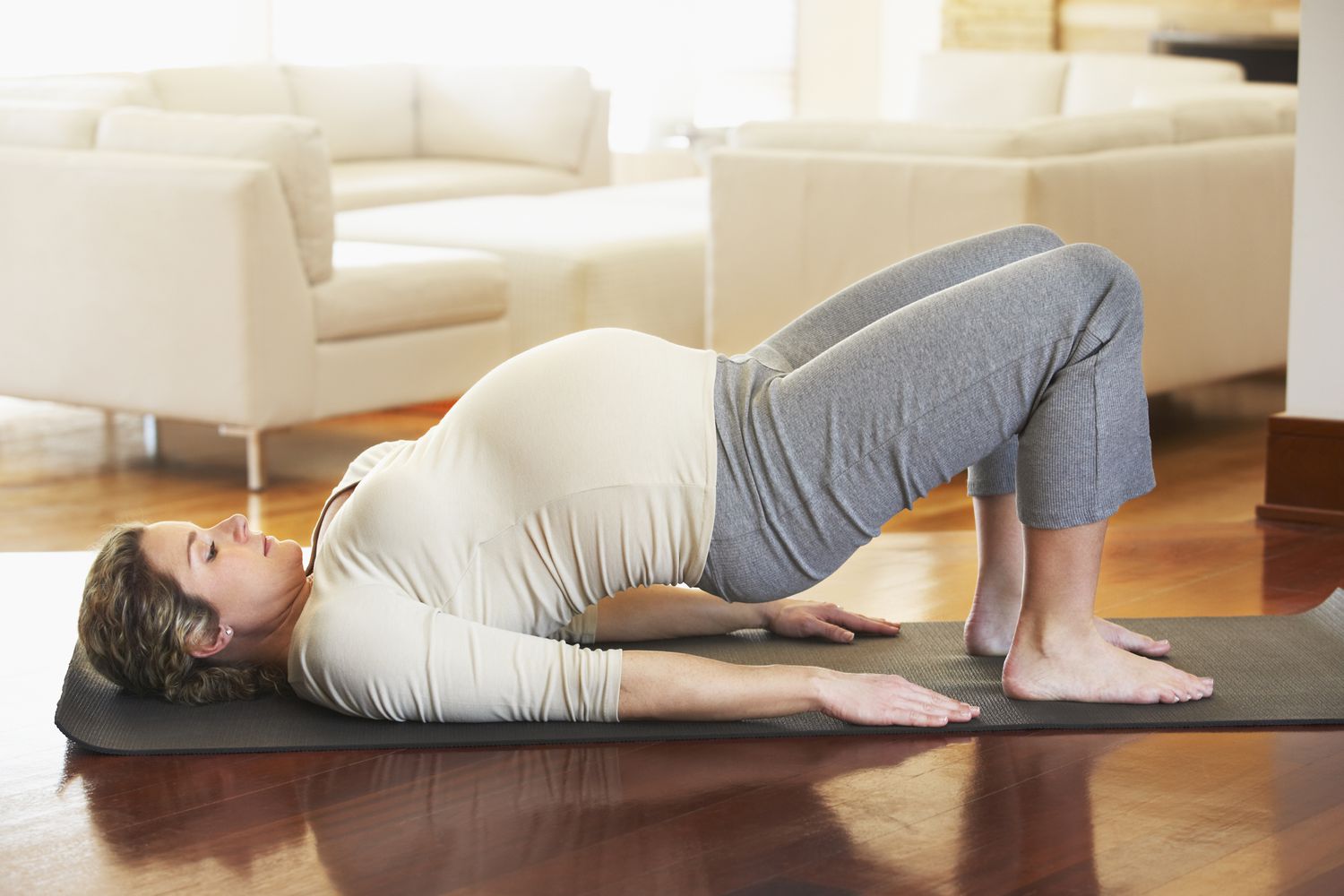
Pregnancy Yoga in the First Trimester
Pregnancy yoga in the first trimester is gentle, restorative, and wonderfully effective for managing the early discomforts of pregnancy. At this stage, yoga focuses on:
Breathing techniques (pranayama) to manage nausea and anxiety
Gentle stretching to relieve tension in the lower back, hips, and shoulders
Relaxation and mindfulness to support emotional wellbeing through the hormonal flux
Building body awareness and connection with your growing baby
Simple poses like Cat-Cow (Marjaryasana-Bitilasana) and gentle seated stretches are safe, soothing, and incredibly effective for first-trimester discomfort. It is important, however, to practise under the guidance of a qualified instructor particularly one experienced in prenatal yoga and to get clearance from your obstetrician first.
At Cura Advanced Physiotherapy Center, our pregnancy yoga sessions are designed to complement your physiotherapy programme, ensuring both are safe and appropriate for your specific stage and any individual considerations.
💙 Expecting moms in Parel, Lower Parel, Dadar or Wadala? Our Women's Health team is here for you from Week 1. Book a first-trimester consultation with our physiotherapy specialists.
📞 Call: +91 76191 55284 💬 WhatsApp: wa.me/917619155284
The Second Trimester (Weeks 13–27): The Golden Period —and the New Challenges
What's Happening Inside Your Body
For most women, the second trimester brings welcome relief. The intense nausea of the first trimester typically eases, energy levels return, and finally you start to feel and look pregnant. Your baby bump begins to show, you may feel your baby's first movements (called quickening, usually between 16–20 weeks), and many women describe this as the most enjoyable phase of pregnancy.
But your body is still undergoing profound changes some of which begin to cause new physical challenges.
The hormone relaxin continues to loosen your ligaments and joints throughout the body making you more flexible but also more unstable and prone to discomfort, particularly in the pelvis, hips, and lower back.
Your uterus is now significantly larger, which shifts your centre of gravity forward. Your lower back begins to arch more (lordosis increases), your abdominal muscles begin to stretch and separate, and the increased load on your spine and pelvis can cause significant discomfort.
Common physical experiences in the second trimester:
Lower back pain (affects up to 70% of pregnant women)
Pelvic girdle pain or symphysis pubis dysfunction (SPD)
Round ligament pain (sharp, stabbing pains in the lower abdomen)
Leg cramps, especially at night
Swelling in the feet and ankles
Heartburn and indigestion as the uterus pushes upward
Shortness of breath during physical activity
Carpal tunnel syndrome (numbness and tingling in the hands and wrists)
Varicose veins and haemorrhoids
Visible changes in skin (linea nigra, stretch marks)
The abdominal muscles also begin to separate along the midline — a completely normal process called diastasis recti — as they accommodate the growing uterus. How well this is managed during pregnancy significantly affects your core strength and recovery postpartum.
How Physiotherapy Helps in the Second Trimester
The second trimester is arguably the most important time for antenatal physiotherapy, because this is when most of the musculoskeletal changes really begin to manifest as pain and discomfort and early intervention makes an enormous difference to how you feel for the rest of your pregnancy.
At our Women's Health Physiotherapy clinic in Parel, our second-trimester programme focuses on:
Lower back and pelvic pain management. Through a combination of manual therapy, targeted strengthening exercises, postural re-training, and safe stretching, we help reduce the back and pelvic pain that affects the majority of pregnant women. Many of our patients in Dadar, Lower Parel and Wadala experience significant relief within just a few sessions.
Pelvic floor strengthening and progression. Your pelvic floor is now supporting a significantly heavier load. We progress your pelvic floor programme and ensure you're activating it correctly something many women get wrong when doing exercises on their own.
Diastasis recti monitoring and management. We regularly assess the degree of abdominal separation and guide you on which exercises to do and — critically — which to avoid. Doing the wrong exercises during pregnancy with diastasis recti can worsen the separation and cause significant postpartum problems.
Swelling and circulation management. Specific leg exercises, elevation techniques, and movement guidance help manage the fluid retention and swelling that commonly affects ankles and feet in the second trimester.
Postural support and ergonomic advice. As your bump grows and your posture shifts, we ensure your spine and pelvis are as well-supported as possible including advice on pregnancy pillows, sleeping positions, and workplace ergonomics.
Pregnancy Yoga in the Second Trimester
Many experts consider the second trimester the "sweet spot" for pregnancy yoga. Most first-trimester symptoms have eased, your energy is better, and your bump while growing still allows for a relatively wide range of movement.
At this stage, pregnancy yoga focuses on:
Hip-opening poses to create space in the pelvis and reduce pelvic girdle pain (Butterfly Pose, Goddess Pose)
Standing poses for strength and stability, using a wall or chair for balance
Upper back and chest-opening stretches to counteract the forward rounding of the shoulders caused by growing breasts
Core-awareness exercises (not crunches or planks these are avoided) that maintain gentle core stability
Breathing exercises (pranayama) to build the deep breath control you'll use during labour
Relaxation and guided meditation to reduce stress and anxiety
It is important to note that from the second trimester onward, poses lying flat on your back should be avoided for prolonged periods, as the weight of the uterus can compress the major blood vessel (vena cava) and restrict blood flow.
All pregnancy yoga at Cura Advanced Physiotherapy is led by experienced practitioners who modify poses for each individual, ensuring you get all the benefits safely.
The Third Trimester (Weeks 28–40): Preparing Your Body for the Finish Line
What's Happening Inside Your Body
The third trimester is the final stretch and for many women, the most physically demanding. Your baby is now growing rapidly, gaining significant weight and size, and your body is working overtime to accommodate this while also beginning the gradual process of preparing for labour and delivery.
Your uterus is now so large that it pushes your organs upward and outward. Your stomach, diaphragm, and lungs are all compressed, making eating large meals and taking deep breaths more difficult. Your bladder is under constant pressure, causing frequent urination, and Braxton Hicks contractions (practice contractions) may begin to appear.
The hormone relaxin reaches its highest levels, meaning your joints are at their most unstable and with the combination of extra weight, changed posture, and a dramatically shifted centre of gravity, the physical challenges of the third trimester can be significant.
Common physical experiences in the third trimester:
Significant lower back, hip, and pelvic pain
Difficulty sleeping particularly finding a comfortable position
Swelling (oedema) in the legs, feet, and hands
Braxton Hicks contractions (irregular, practice contractions)
Shortness of breath and palpitations
Sciatica — sharp, shooting pain down the leg from nerve compression
Increased urinary frequency and, for some, leakage
Rib pain as the uterus pushes upward
Fatigue returning after the relative energy of the second trimester
Anxiety or excitement about the approaching birth
How Physiotherapy Helps in the Third Trimester
The third trimester is when physiotherapy becomes both a pain-management tool AND a birth preparation tool. Our team at Cura Advanced Physiotherapy in Parel works with mothers in the third trimester to:
Manage pain and discomfort. Through gentle manual therapy, targeted exercises, positioning advice, and the use of support belts where appropriate, we help women in Lower Parel, Wadala, Dadar and across Mumbai remain as comfortable as possible in the final weeks.
Prepare the body for labour and delivery. This is a critical and often overlooked role of antenatal physiotherapy. Our physiotherapists teach:
Optimal positions for labour (upright, side-lying, on all fours) that reduce pain and facilitate a smoother delivery
Breathing techniques and pushing strategies for the second stage of labour
Pelvic floor relaxation which is just as important as strength when it comes to delivery. A pelvic floor that cannot relax can make delivery harder and more painful.
Perineal massage techniques to reduce the risk of tearing
Sciatica management. Sciatica during pregnancy is incredibly common in the third trimester, as the growing uterus can place pressure on the sciatic nerve. Targeted stretching, positioning guidance, and gentle manual therapy provide significant relief.
Sleep position and support guidance. Finding a comfortable sleeping position becomes increasingly difficult. Our physiotherapists advise on the best side-lying positions and pillow arrangements to support your spine, hips, and baby bump.
Mental preparation and confidence building. Understanding what your body is doing and what to expect during labour significantly reduces anxiety. Our team takes time to educate every patient so they feel prepared and empowered, not frightened.
Pregnancy Yoga in the Third Trimester
By the third trimester, pregnancy yoga shifts to focus on preparing body and mind for birth. Poses are more gentle, more supported (with cushions, blocks, and walls), and focus on:
Hip and pelvis opening (Malasana / Garland Pose, Butterfly Pose) to facilitate the baby's descent and optimal positioning
Cat-Cow stretches to encourage the baby into a good head-down position and relieve back pressure
Gentle squats to strengthen the legs for labour
Side-lying Savasana for deep rest and relaxation
Focused breathing techniques including deep diaphragmatic breathing, slow exhales, and counting breaths which are directly applicable to managing labour contractions
Guided meditation and visualisation to reduce birth anxiety
Research shows that women who practice prenatal yoga during pregnancy may experience shorter labour and are more likely to have a vaginal delivery. The breathing and mindfulness techniques learned in pregnancy yoga are powerful tools for managing pain and staying calm during contractions.
💙 Pregnant and based in Parel, Dadar, Lower Parel or Wadala? It's never too early — or too late — to start your antenatal physiotherapy and pregnancy yoga programme. Book your consultation today.
📞 Call: +91 76191 55284 💬 WhatsApp: wa.me/917619155284
The Fourth Trimester: Postnatal Care — The Chapter Nobody Talks About Enough
What's Happening to Your Body After Birth
The moment your baby is born, your body begins a profound and often underappreciated recovery process. This period, often called the "fourth trimester," is the 12 weeks following delivery, and it is every bit as important as the three that came before it.
Whether you had a vaginal delivery or a caesarean section, your body has just been through an extraordinary physical event. Your uterus begins to shrink back to its pre-pregnancy size over the following weeks. Your hormone levels drop sharply which is one of the key contributors to postpartum mood changes and the "baby blues." Your pelvic floor and abdominal muscles, which have been stretched and loaded for nine months, need active rehabilitation to recover properly.
And yet, in India as in many parts of the world postnatal care is woefully under-resourced. New mothers are often told to "rest and recover," but rarely given the specific, targeted guidance they need to actually heal.
Common postpartum experiences:
Lower back pain and tailbone pain (especially after a long labour)
Pelvic floor weakness — including urinary leakage, urgency, or incontinence
Diastasis recti — the abdominal separation that has typically widened during pregnancy
Perineal pain and discomfort (after vaginal delivery)
Caesarean scar tightness and sensitivity (after C-section)
Neck and shoulder pain from breastfeeding and carrying the baby
Wrist pain (De Quervain's tenosynovitis) from lifting and feeding
Pelvic organ prolapse symptoms (heaviness or pressure in the pelvis)
Postpartum depression or anxiety
Many women in Parel, Dadar, Lower Parel and Wadala come to us months or even years after delivery, still dealing with problems that began postpartum and were never properly addressed. The good news is that it is never too late — but early intervention always gives the best results.
How Postnatal Physiotherapy Helps
Our postnatal physiotherapy programme at Cura Advanced Physiotherapy is led by Dr. Krutika Bhoir (MPT – Women's Health) and is designed to support new mothers through every aspect of their physical recovery.
Pelvic floor rehabilitation. This is the foundation of postnatal recovery. Whether you experienced a vaginal tear, an episiotomy, or a caesarean section, your pelvic floor needs assessment and graduated rehabilitation. We help you rebuild strength, co-ordination, and control — resolving leakage, urgency, and prolapse symptoms safely and effectively.
Diastasis recti rehabilitation. We assess the degree of abdominal separation and create a structured, progressive programme to restore core function — starting with deep stabiliser activation and building gradually to full core strength. Getting this wrong (doing sit-ups or crunches too early, for example) can worsen the separation significantly.
Caesarean scar management. Many new mothers don't realise that their C-section scar can be treated. Once the incision is fully healed (typically 6–8 weeks post-surgery), gentle scar tissue mobilisation helps prevent internal adhesions, improves sensitivity around the scar, and reduces tightness that can affect movement and cause lower back pain.
Postural correction for new motherhood. Feeding, rocking, carrying, bathing — new motherhood involves hours of sustained forward postures that take a significant toll on the neck, upper back, and shoulders. Our physiotherapists address these specifically and give you simple exercises to counteract the strain.
Return to exercise guidance. One of the most common questions we hear from new mothers is: "When can I start exercising again?" The answer is highly individual — and getting it wrong can cause lasting damage, particularly to the pelvic floor. We guide you through a safe, progressive return to activity: from gentle walks to core exercises to high-impact activities like running, as and when your body is truly ready.
Postnatal yoga and movement. Postnatal yoga is a wonderful complement to physiotherapy for new mothers helping restore flexibility, rebuild strength gently, and provide a much-needed space for self-care and mental wellbeing during what can be an overwhelming time.
Why Antenatal and Postnatal Physiotherapy Matters: The Big Picture
Here are some important reasons why structured antenatal and postnatal physiotherapy care makes a real difference:
It prepares your body for birth. Women who receive antenatal physiotherapy are better prepared for the physical demands of labour. They understand how to breathe, how to push effectively, how to position themselves, and how to relax their pelvic floor all of which contribute to a smoother delivery.
It prevents problems from becoming permanent. Pelvic floor dysfunction, diastasis recti, and postpartum back pain are not things you simply "have to live with." Addressed early, they are highly treatable. Left unaddressed, they can become long-term conditions that affect your quality of life for years.
It reduces the risk of complications. Regular supervised exercise during pregnancy including physiotherapy-guided programmes and pregnancy yoga has been shown to reduce the risk of gestational diabetes, pre-eclampsia, excessive weight gain, and the need for caesarean delivery.
It supports your mental health. Pregnancy and the postpartum period can be emotionally intense. Regular physiotherapy and yoga sessions provide dedicated time and space for you a place to ask questions, address concerns, and receive compassionate, expert care. The physical benefits of exercise and yoga also directly support mood, reduce anxiety, and build a sense of confidence and control during a period of great change.
It gets you back to yourself faster. New mothers who receive postnatal physiotherapy and follow structured rehabilitation programmes recover their core strength, pelvic floor function, and physical fitness significantly faster than those who don't.
Cura Advanced Physiotherapy's Antenatal & Postnatal Care Programme
At Cura Advanced Physiotherapy Center, our Women's Health programme is one of the most comprehensive in Mumbai and we are proud to serve expecting and new mothers across Parel, Lower Parel, Dadar, Wadala and beyond.
What we offer:
🤰 Antenatal Physiotherapy — Trimester-specific physiotherapy from Week 1 through to delivery. Posture, pelvic floor, pain management, birth preparation.
👶 Postnatal Physiotherapy — Safe, structured rehabilitation of the pelvic floor, core, C-section scar, and full body after delivery. Available from 6 weeks post-birth.
🧘 Pregnancy Yoga — Safe, expert-guided yoga classes designed specifically for each trimester, integrated with your physiotherapy programme.
🏠 Home Visit Physiotherapy — For new mothers or heavily pregnant women who cannot travel easily, our expert physiotherapists come to you — across all of Mumbai and Navi Mumbai.
💻 Online / Tele Consultations — Get expert guidance from the comfort of your home.
Our Women's Health Specialist: Dr. Krutika Bhoir — Parel Branch Head & Chief Women's Health Physiotherapist (MPT – Women's Health)
Frequently Asked Questions About Pregnancy Care & Physiotherapy
When should I start antenatal physiotherapy? Ideally, as early as possible even in the first trimester. Early intervention means we can prevent problems from developing, rather than treating them once they've already caused discomfort. That said, it is never too late to start. We regularly see mothers who begin in their third trimester and still see tremendous benefit.
Is physiotherapy safe during pregnancy? Absolutely. Antenatal physiotherapy is specifically designed for pregnancy and is completely safe when delivered by a qualified women's health physiotherapist. Our team at Cura Advanced Physiotherapy Center is fully trained and experienced in working with women at all stages of pregnancy.
Is pregnancy yoga safe in all trimesters? Yes, with appropriate modifications for each trimester. Pregnancy yoga is different from regular yoga poses are modified, certain positions are avoided (like lying flat on your back after the first trimester), and everything is tailored to the needs and limitations of pregnancy. Always practise under the guidance of an experienced prenatal yoga instructor and with your doctor's approval.
How soon after delivery can I start postnatal physiotherapy? You can begin gentle pelvic floor work and breathing exercises within days of a vaginal delivery. For most women, a comprehensive postnatal assessment is recommended at around 6 weeks post-delivery. After a caesarean section, we typically begin working on scar management and deeper core rehabilitation from 6–8 weeks onwards, once the incision is healed.
Do you offer home visits for new mothers in Parel, Dadar, Lower Parel and Wadala? Yes! We offer home visit physiotherapy for postnatal mothers across all of these areas and throughout Mumbai. For new mothers who are not yet mobile or comfortable travelling, this service means you receive the same expert care in the comfort of your own home.
Can physiotherapy help with postnatal depression? Physiotherapy and pregnancy yoga both play a supportive role in postpartum mental health. Regular guided exercise and movement are clinically shown to improve mood, reduce anxiety, and build a sense of wellbeing. While physiotherapy is not a substitute for psychological support or medical treatment for postnatal depression, it is a valuable and complementary part of overall postpartum care.
Your Pregnancy Deserves Expert Care — Every Single Trimester
Your body is doing something extraordinary. It deserves to be supported, guided, and celebrated not just endured.
Whether you are newly pregnant, in the midst of your second trimester, approaching your due date, or navigating the early weeks of new motherhood — Cura Advanced Physiotherapy Center is here for you.
Our expert Women's Health team is located in Parel with services and home visits available across Lower Parel, Dadar, Wadala and all of Mumbai. We offer a free first consultation so you can meet our team, ask your questions, and understand exactly how we can support your unique pregnancy journey.
📞 Call: +91 76191 55284 💬 WhatsApp: wa.me/917619155284 🌐 Website: curaadvancedphysiotherapy.in
📸 Instagram: @curahealthcareservices
📍 Clinic: Parel, Mumbai | Home Visits: All Mumbai & Navi Mumbai
Book your consultation today. Because you — and your baby — deserve the best care from the very beginning.
Cura Advanced Physiotherapy — Women's Health Specialists in Parel | Lower Parel | Dadar | Wadala | Mumbai | Kharghar
Services: Antenatal Physiotherapy · Postnatal Physiotherapy · Pregnancy Yoga · Pelvic Floor Rehabilitation · Women's Health Physiotherapy · Home Visit Physiotherapy Mumbai
