

Labor Pain typically occurs between the 37 th and 42 nd week of gestation Physiotherapy treatment plays an important role to reduce Labor Pain. Labor pain can be classified into three stages.
- The first stage of labor begins with the onset of regular rhythmic contractions and culminates when the cervix is fully dilated to ~ 10 cm.
- The second stage of labor begins when the cervix is fully dilated and ends when the baby is born.
- The third stage of labor involves the delivery of the placenta and the control of bleeding to prevent a hemorrhage.
Physiotherapy in the Labor Pain :
There are different modes through which a female can tackle her pain during labor and also reduce the duration of labor pain. Following are a few techniques which can be used.
- Transcutaneous Electrical Stimulation (TENS)
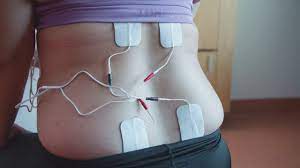
- TENS provides a non-pharmacological method for pain relief.
- During labor, electrodes are typically positioned over your pain area & accurate placement of electrodes is vital in maximizing pain relief.
2. Massage Therapy
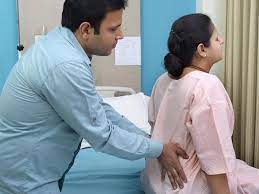
- It is the manipulation of the body’s soft tissue & can be performed by a massage therapist, a physiotherapist, a midwife, or a woman's partner.
- Massage therapy may be used to relax tense muscles, potentially providing pain relief during labor.
3. Thermotherapy and/or Cryotherapy
- Warm compresses are used during labor with the intention to reduce perineal pain and increase comfort during labor.
- Local warming with intermittent cold packs to the low back, lower abdomen, and perineum could reduce labor pains during the first and second phases of labor.
4. Relaxation Techniques
- Aim to help women cope with their labor pains by slowing down breathing, lowering blood pressure, and providing a sense of wellbeing.
- Relaxation techniques encompass guided imagery and progressive relaxation and breathing techniques.
5. Breathing Techniques in Labor Pain
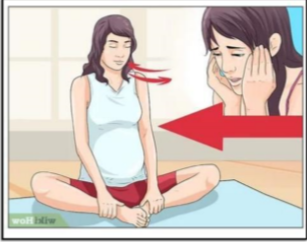
- Slow and deep breathing has been encouraged during labor to increase relaxation and decrease pain.
- Eg; literature includes soft sleep breaths performed in between contractions, blissful belly breaths performed during contractions for pain relief.
6. Perineal Massage during Labor
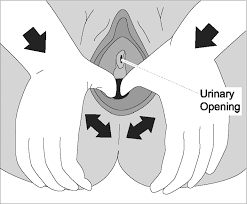
- Perineal massage provides a method to gently stretch the pelvic floor in preparation for birth.
Found this helpful? Share it:
