

Parkinson's disease is a neurodegenerative condition affecting those aged 50 to 60. Physiotherapy can help patients with exercises and lifestyle modifications.
Parkinson disease results from the death or decrease of neurons of the brain.It occurs between the age group of 50 to 60 years. In young generation it occurs between less then 21 years of age.It is most common & affects 78% of patient.
Most Important Clinical Feature of Parkinson Disease
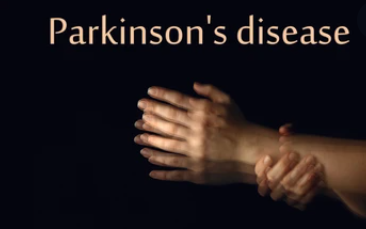
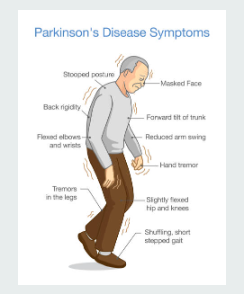
- Tremor - Rest tremor is the most common and easily recognised symptom.
- Rigidity- Rigidity is characterized by increased resistance. While doing movements
- Painful shoulder is one of the most frequently seen in Parkinson patients
- Postural deformities- Postural deformities resulting in flexed neck trunk posture and flexed elbows and knees are often associated with rigidity
- Postural instability- Postural instability due to loss of postural reflexes.
How physiotherapist can help in Parkinson's disease?
Physiotherapy plays a key role in management of patient with Parkinson disease.Following are some exercises for people with the disease:
- Motor Learning Strategy: In the early and middle stages of disease patients can improve the performance by some motor training methods.
- Cueing Strategy: Cues include stationary floor markings where brightly coloured lines are placed on the floor about one step length apart in a perpendicular form to the gait path and dynamic transportable cues such as laser and light signals.
- Rhytmic Auditory Stimulation(RAS): Usage of a steady beat or metronome beat from a musical device.
- Exercise Training: It includes high amplitude movements with high efforts which yield greater improvements in motor perfomance.
- Relaxation Exercise: Diaphragmatic breathing during exercise, especially with shoulder and trunk movements, cognitive imaging, motor imagery or meditation techniques. Stress management techniques are an important adjunct to ralaxation training. Lifestyle modifications and time management startegies reduce anxiety.
- Flexibility: A combination of Active range of motion (AROM) and Passive Range of Motion(PROM) is used to achieve maximum Range of Motion (ROM). Stretching,one of the flexibilty exercises has been shown to improve muscle force , bradykinesia, functional mobility, balance, gait, fall risk and quality of life in patients.
- Functional Training:
- Bed Mobility Skills (i.e rolling, bridging, supine-to-sit tansitions) are essential skills that are often very difficult owing to truncal rigidity and bradykinesia.
- Side-lying rolling activites that emphasize segmental rotation patterns should be practiced.
- Patients with stiff trunks may benefit from compensatory rolling strategies.
- Bridging improves scooting in bed as well as sit-to-stand transfers.Sitting can be enhanced through anterior and posterior tilts, side-to-side tilts and pelvic clock exercise with legs apart.
Home exercises :
- Arm swing exercises with use of sticks in each hand.
- Brisk marching in place with musical beats.
- Body weight suspended treadmill training.
- Tandem walking and cross stepping.
- Vertical pole walking or Nordic walking
- Dual task while walking.
- Walking on a tile floor, on carpet, outdoors on sidewalks and grassy terrains.
Found this helpful? Share it:
