

What Is a Stroke?
Imagine your brain as a bustling city with roads that help messages travel to different areas. A stroke is like a traffic jam or a roadblock that interrupts these messages. Depending on where the "block" happens, this can cause challenges like weakness, trouble speaking, or memory issues.
To learn more about "BRAIN STROKE"
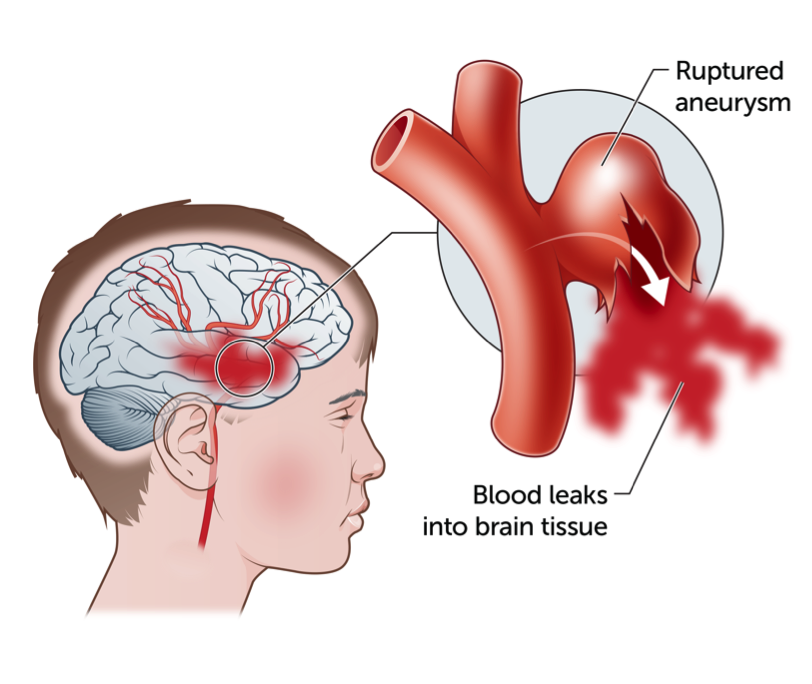
A stroke occurs when there is a sudden interruption in the blood supply to the brain. This can happen due to a blockage (ischemic stroke) or bleeding (hemorrhagic stroke). The brain cells start to die within minutes, making immediate medical attention crucial. Understanding the types of strokes and their causes can significantly aid in prevention and timely treatment.
The Road to Stroke Recovery
Stroke recovery varies for each individual, often depending on the severity of the stroke and the speed of treatment. It is essential to have realistic expectations about the recovery process. Some individuals may recover fully, while others may have lingering effects. The journey of recovery often includes physical, emotional, and social challenges that require comprehensive support.
Recovering from a stroke is like repairing and rebuilding those roads in your city. It takes time, dedication, and the support of experts to get things moving smoothly again.
Steps to Stroke Recovery
Rehabilitation is a multifaceted approach that combines various therapies tailored to the individual's needs. Each type of therapy plays a unique role in helping a stroke survivor regain independence.
Rehabilitation of Stroke Recovery
Think of rehab as having a team of experts helping you rebuild. They might help you with stroke recovery :

Medications prescribed can vary based on individual risk factors. It is essential for patients to understand the purpose of each medication and the importance of adherence to prevent complications.
- Physical therapy: Exercises to rebuild your strength, balance, and coordination.
- Occupational therapy: Learning to handle daily activities like cooking, dressing, or bathing.
- Speech therapy: Working on speech, language, and swallowing challenges.
Medications for Stroke Recovery
Implementing lifestyle changes is not just about immediate recovery but also long-term health. Engaging in regular check-ups and collaborating with healthcare professionals ensures that lifestyle modifications are effective and sustainable.
Your doctor might prescribe medicine to:
- Prevent another stroke by treating the underlying cause.
- Control health issues like high blood pressure or diabetes that could lead to another stroke.
Lifestyle Changes for Stroke Recovery
Healthy habits are key to recovery and preventing future strokes. These might include:

- Eating a balanced diet to give your brain the fuel it needs.
- Staying active with regular exercise.
- Maintaining a healthy weight to ease the strain on your heart.
- Quitting smoking to protect your blood vessels.
- Managing stress in a healthy way to keep your heart and brain happy.
Tips for a Smooth Stroke Recovery

- Set small goals: Take things one step at a time to make steady progress.
- Stay positive: A good attitude keeps you motivated.
- Lean on support: Family, friends, and support groups can cheer you on.
- Be patient: Recovery can feel slow at times, but every little step counts.
