

- Symptoms of Schizophrenia
- Causes of Schizophrenia :
- Diagnosis of Schizophrenia :
- Schizophrenia Treatment :
- Complications of Schizophrenia
Schizophrenics are trapped inside their own distorted world without even being aware of it. Schizophrenia is a chronic mental health condition that affects thoughts, feelings, and behaviours. The condition is characterised by symptoms such as delusions and hallucinations. Anyone can develop schizophrenia. It most often develops in someone's late teens and into their early 30s. Schizophrenia is believed to affect about 1 percent of people.
Symptoms of Schizophrenia
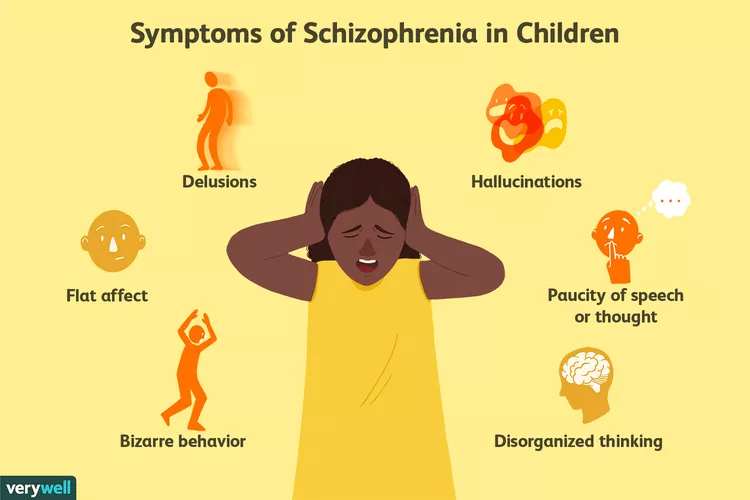
Some symptoms of schizophrenia can be easier to recognize because they stand out distinctly from a person's usual behavior. They are often classified as either positive or negative. You can think of these symptoms as those that add behaviours (positive) and those that decrease them (negative).
For instance, positive symptoms often involve hallucinations or delusions everyone would experience it. Negative symptoms disrupt common emotions, behaviours, and abilities, such as experiencing a lack of emotion. According to the DSM-5, in order to be diagnosed with schizophrenia someone must experience 2 or more of the following symptoms most of the time for at least 1 month :
- Delusions
- Hallucinations
- Incoherent speech or speech that quickly switches from topic to topic
- Severely disorganized behaviour such as issues with motor function or inexplicable agitation or giddiness, or catatonia
- Negative symptoms (e.g., just sitting with no interest in going to work, school, or engaging in any activities)
At least one of the first three symptoms (delusions, hallucinations, and disorganised speech) must be present. These symptoms must significantly affect one or more major areas in your life - such as your work, relationships, or just generally taking care of yourself. There must also be continuous signs of disturbance over the course of 6 months with at least 1 month of active symptoms.
Causes of Schizophrenia :
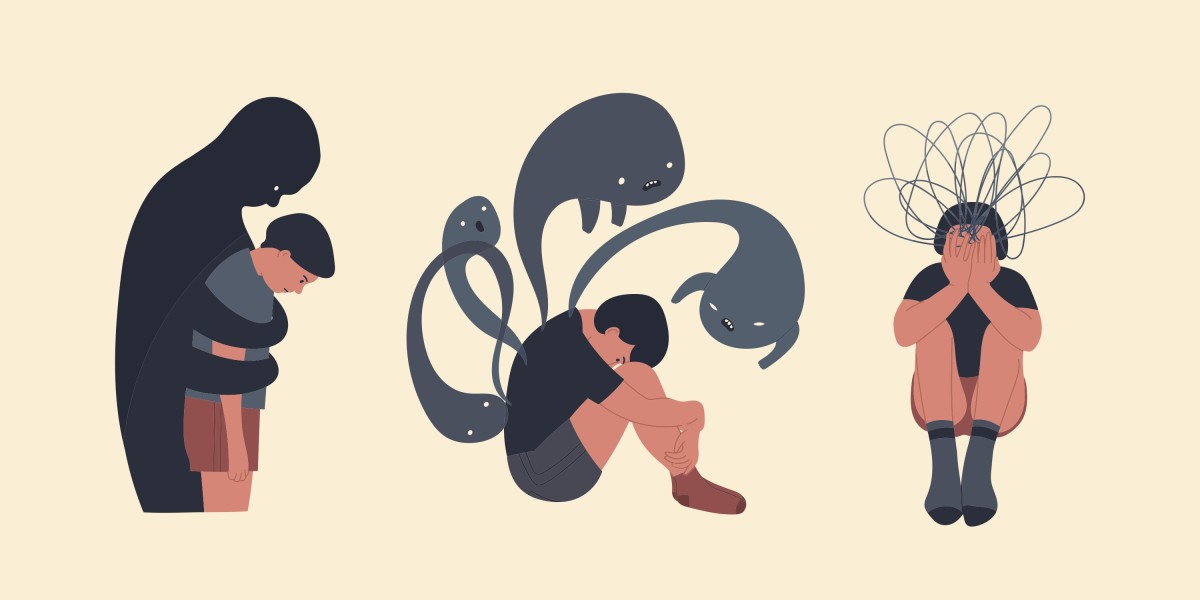
While the causes of schizophrenia aren't entirely understood, genetic, biological, and development risk factors may all play a role. Like many mental health conditions, the causes of schizophrenia are likely complex and multifaceted
Diagnosis of Schizophrenia :
People are often diagnosed with schizophrenia in early adulthood, when they first experience an episode of delusions or hallucinations. The condition is most often formally diagnosed by a mental health professional, such as a psychiatrist,psychologist, or clinical social worker.
Your healthcare provider will likely use a combination of evaluation and tests to diagnose you, such as:
- Blood Tests
- A Physical Exam
- Imaging tests, including magnetic resonance imaging (MRI) or computed tomography (CT) Scan
- Questions about your medical history, mental health, and family medical history
Schizophrenia Treatment :
While there's no cure for schizophrenia, there are effective treatments available including :
- Medications
- Therapy
- Social support treatment
- Vocational rehabilitation
- Wellness lifestyle, and self-care tools
Complications of Schizophrenia
When left undiagnosed or untreated, schizophrenia can cause complications, like
- Depression
- Anxiety
- Thoughts of suicide or self-harm
- New or worsening phobias
- Substance abuse
