

Antenatal Class and exercises are very important in pregnancy.
Acharya Charaka says that the fetus' mind is connected with the parents’ mind, especially with the mother during pregnancy. In a nutshell, the connection is like a ‘Mental’ Umbilical Cord. The pregnant woman is impacting her baby with her:
- Diet
- Oxygen saturation
- Stress and anxiety
- Mental activities
- Physical activities
Does Garbh Sanskar really work?
The relationship between the pregnant woman and her unborn baby has fascinated researchers for decades. 70% to 80% of pregnant women experience either prolonged depression or a phase of baby-blues.
It is important to note that a pregnant woman’s sleep patterns, ability to perform daily tasks and quality of life get affected by systemic variations caused by hormonal, emotional, mental, and physical factors.
How to do Garbh Sanskar at home ?
- First - By being Happy, which is possible with Meditation
- Second - Make yourself a pregnancy music playlist
- Third - Do exercises to bond with your baby.
- Fourth - Do Yoga as per Garbh Sanskar
- Fifth - Food recommendations under Garbh Sanskar
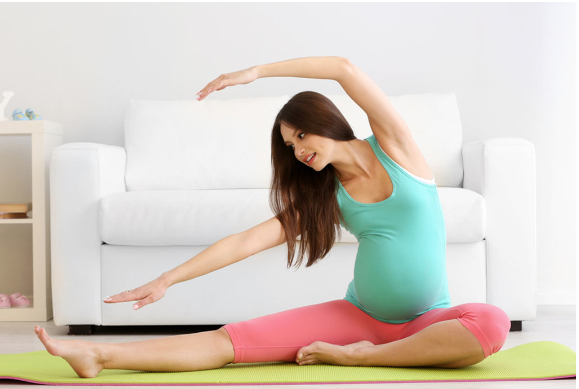
Antenatal exercises aim at improving the physical and psychological well-being of an expected mother for labour and preventing pregnancy-induced pathologies by various physical means.
During the first trimester, pregnancy brings certain changes in the body for example: morning sickness, fatigue or low energy levels, nausea and increased secretion of the relaxin hormone.
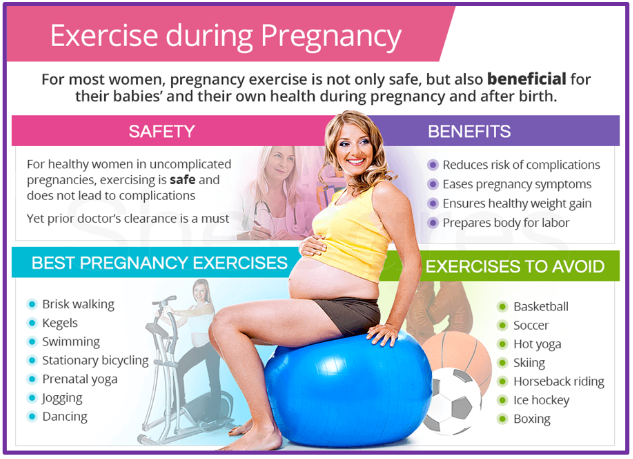
Exercise helps to overcome these changes and improves the mood and energy level of the mother. Healthy pregnant women should exercise for at least 150 min per week or 20-30 min every day in moderate to vigorous aerobic intensity.
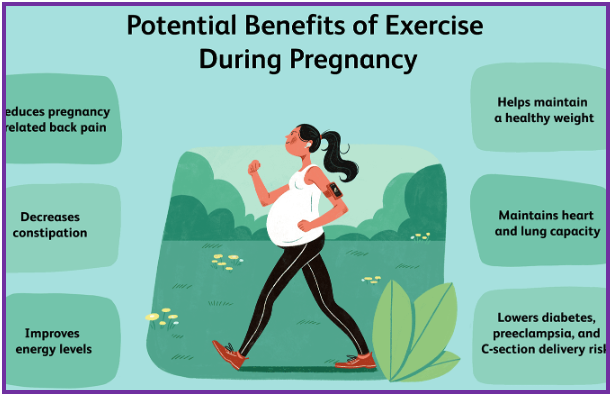
How can Physiotherapy and Antenatal Class and exercises help in Pregnancy
- EXERCISE ADVICE
A physiotherapist can guide you through the types of exercises that are safe and effective during pregnancy. Correct exercise can help reduce aches, strengthen important muscles and reduce healing times.
- STRENGTHENING PELVIC FLOOR
A weak pelvic floor can lead to incontinence, pelvic organ prolapses and Pain. A physio will be able to tailor a pelvic floor strengthening routine specific to you during pregnancy to help strengthen and reduce chance of injury.
3. RELIEF FROM ACHES AND PAINS
Aches and pain during pregnancy are common, but often they can be helped. A physiotherapist will be able to help relive some of this discomfort.
4. MINIMISE DIASTASIS RECTI
Diastasis recti is the separation of the abdominal muscles and is common after pregnancy. A physio will be able to recommend exercises to help protect the abdominal muscles and reduce the chances of diastasis.
Do you want help preparing your body for pregnancy ? Kindly contact CURA ADVANCED PHYSIOTHERAPY to discuss your options with our physiotherapist.
