

What do you mean by Phobia?
A phobia is an uncontrollable, irrational, and lasting fear of a certain object, situation, or activity. The person will experience intense distress when faced with the source of their phobia. This can prevent them from functioning normally and sometimes leads to panic attacks. Basically phobia is an exaggerated and irrational fear
What are Different Types of Phobia?
- Social phobia, or social anxiety: This is fear of public humiliation and being judged by others in a social situation It is not the same as shyness.
- Agoraphobia: This is a fear of situations from which it would be difficult to escape if a person were to experience extreme panic, such being in a lift or being outside of the home
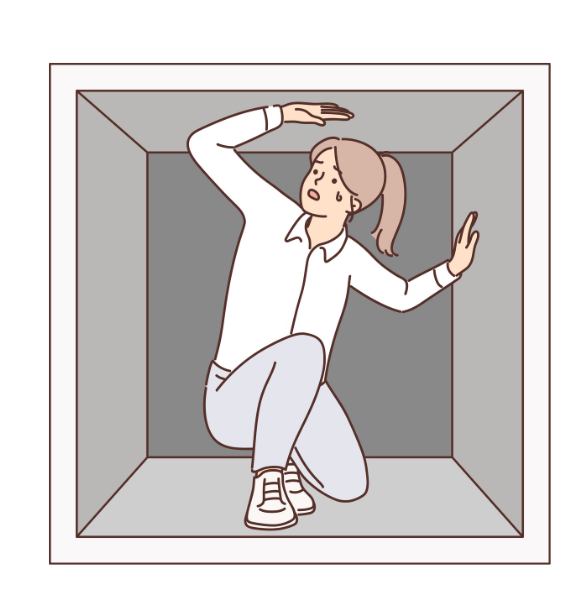
- claustrophobia: Fear of being in constricted, confined spaces
- Aerophobia: Fear of flying
- Arachnophobia: Fear of spiders
- Driving phobia: Fear of driving a car
- Emetophobia: Fear of vomiting
- Erythrophobia: Fear of blushing
- Hypochondria: Fear of becoming ill
- Zoophobia: Fear of animals
- Aquaphobia: Fear of water
- Acrophobia: Fear of heights
- Escalaphobia: Fear of escalators
- Tunnel phobia: Fear of tunnels
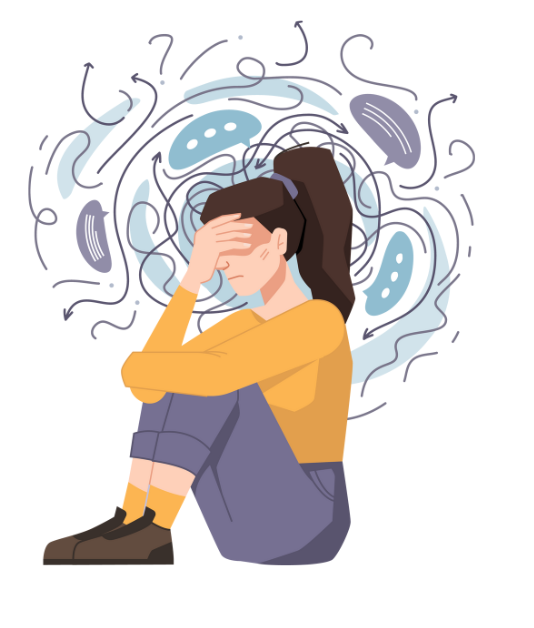
What are Symptoms?
- Sweating
- Abnormal breathing
- Accelerated heartbeat
- chills
- Chest pains or tightness
- Butterflies in the stomach
- Dry mouth
- Confusion
- Nausea
- Dizziness
- Headache
What are the Causes of Phobia?
It is unusual for a phobia to start after the age of 30 years, and most begin during early childhood, the teenage years, or early adulthood.
They can be caused by a stressful experience, a frightening event, or a parent or household member with a phobia that a child can ‘learn
Are Phobia Treatable?
Phobias are highly treatable. There are a number of therapeutic options for treating a phobia. Speaking to a psychologist or psychiatrist is a useful first step in treating a phobia that has already been identified.
Breathing Techniques- This calming breathing technique for stress, anxiety and panic takes just a few minutes and can be done anywhere.
Try breathing in through your nose and out through your mouth.
Breathe in gently and regularly.
If the phobia does not cause severe problems, most people find that simply avoiding the source of their fear helps them stay in control. Many people with specific phobias will not seek treatment as these fears are often manageable.