

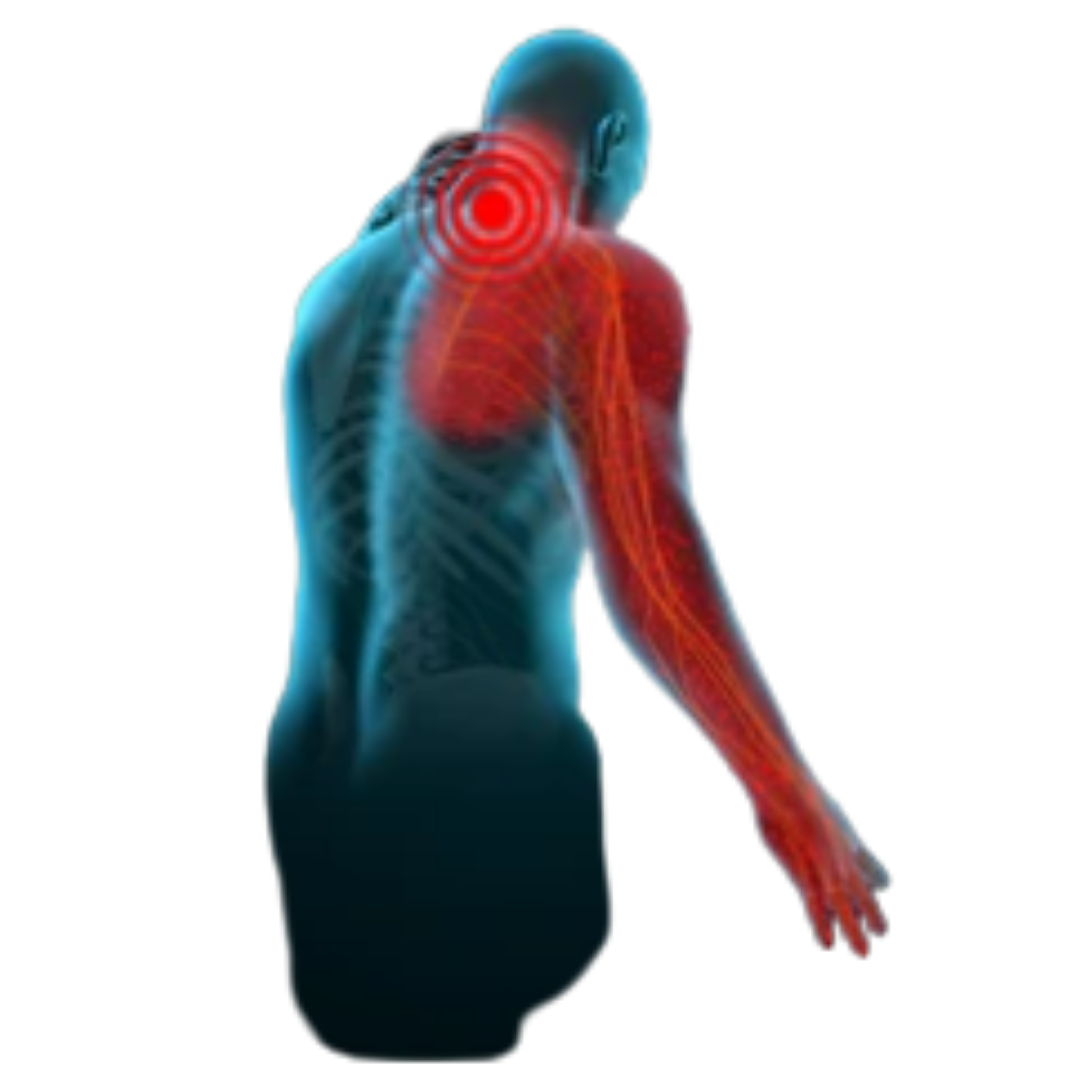
We get numbness in hands because some where our nerves are compressed by inter vertebral discs.
It is also called as Cervical radiculopathy is a disease in which one or more nerves are affected at the level cervical spine causing pain, weakness and numbness.
It is most commonly seen in the age group of 40-49 years, but nowadays due to excessive screen time it is also seen in the younger population aged between 20s - 30s
Features of numbness in hands ?
- Pain in the neck.
- Numbness and tingling in the arm.
- Weakness in the arm.
- Loss of sensation in the affected nerve root.
- Loss of coordination.
- Loss of reflexes.
How Physiotherapy Treatment will reduce numbness in your hands :
Physiotherapists at Cura Advanced Physiotherapy will play a key role in managing radiculopathies to prevent worsening and avoid surgical intervention. Manual therapy techniques in conjunction with therapeutic exercise is effective to increase function, as well as Active Range Of Movement (AROM), decrease pain and disability.
It includes:
- Patient education and advice.
- Manual Therapy.
- Exercise Therapy.
- Postural re-education.
Education: If a patient understands the condition and the reason for the neck and arm pain then they are more likely to be compliant with any rehabilitation plan.
Manual Therapy: Various manual therapy techniques have been found to be effective in reducing pain and improving function.
It includes techniques like:
- Muscle energy technique.
- Neurodynamics - Gliding and Sliding/Tension.
- Exercise Therapy: Exercises are targeted at opening the intervertebral foramen for reducing the impact of radiculopathy.
- Exercises such as contralateral rotation and side flexion are amongst the simplest forms of exercises which are effective against signs and symptoms, given in the form of active ROM.
- Once ROM is improved strengthening exercises can be performed to develop stability. During the initial stages of treatment, strengthening should be limited to isometric exercises in the involved upper limb.
- Once the radicular symptoms have been resolved, progressive isotonic strengthening can begin.
- This should initially involve low weight and high repetitions (15-20 repetitions). Closed kinetic chain activities can be very helpful in the rehabilitation of the weak shoulder girdle muscles.
- Postural re-education: Postural re-education most importantly involves ergonomic advice for example- Correct the number of pillows used.
- It also involves postural corrections exercises like scapular retractions and chin tucks.
- Scapular-strengthening exercises included prone horizontal abduction, prone extension of each shoulder, as well as prone push-ups with emphasis on shoulder protraction.