

Frozen Shoulder is when there is a painful restriction in both active and passive movements of your shoulder.
In this blog we’ll be discussing about most commonly asked questions about frozen shoulder.
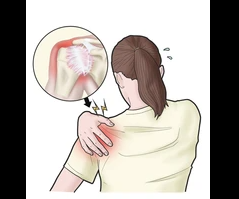

1. What is a frozen shoulder?
Frozen shoulder is a clinical syndrome with painful, progressing and disabling restrictions of both active and passive movements of shoulder. Approximately 2% to 5% of adults in between the age of 40 to 70 years suffer from frozen shoulder.
It is classically characterized by 3 stages. The first stage is the freezing phase which lasts 3-6 months. It is characterized by the aching pain in the shoulder which is more severe at night and with activities which may radiate down towards the arm.The second stage is frozen stage; in this stage the pain at rest is reduced and the movements are restricted and the patient is unable to perform the daily living activities. The final stage is thawing stage; which is characterized by slow recovery of the movements and there is a painless stiffness around the shoulder.
2.Why does it occur?
Primary frozen shoulder is if it occurs independent of other pathologies. Secondary frozen shoulder is if it occurs associated to some trauma or other conditions.
It most commonly affects the females more than males sometimes the cause of the condition remains unknown and sometimes it may occur in patients who suffer from insulin dependent diabetes and thyroid disease.
3.What are the signs and symptoms
Classical symptoms are complaints of poorly localizes shoulder pain, local tenderness, pain radiating till the elbow, restrictions in moving the shoulder. Pain aggravates when the shoulder is moved. Pain is severe at night and may affect sleep. As the symptoms aggravates the patient is unable to find a comfortable arm position. The range of the movement in shoulder is severely affected.
4.What investigations should be carried out for frozen shoulder?
A physical exam is usually enough to reach the diagnosis, but imaging tests as X-ray, sonography or MRI can be done.
5.What are the treatment options for frozen shoulder?
Frozen shoulder can be treated by various means like, oral medications, corticosteroid injections, distension, manipulations and surgery. Surgical management includes arthroscopic capsular release. Non-operative management includes physiotherapy, oral medications and corticosteroids injections.
Cura Advanced Physiotherapy treatments for Frozen Shoulder includes mobilization techniques for improving shoulder range of motion, relaxation by heating and a planned exercise program.