

Varicose veins, enlarged veins typically seen in legs due to long standing and walking. Regular exercises, diet control, and physiotherapy can provide relief.
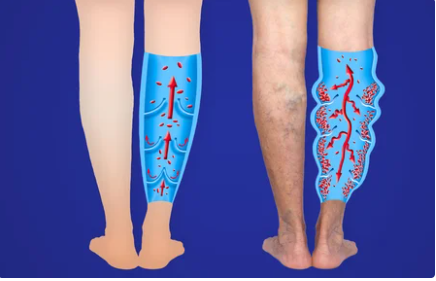
- Varicose veins are twisted veins, occur when your veins become enlarged, dilated and overfilled with blood.
- Varicose veins typically appear swollen and raised, and have a bluish-purple or red color.
- Any vein that is close to the skin's surface (superficial) can become varicosed. Varicose veins most commonly affect the veins in the legs. That's because long standing and long distance walking increases the pressure in the veins of the lower body and appear easily.
Risk factors for Varicose Veins
- Older Age - Aging is one of the primary reason due to which a person suffer from Varicose Veins
- Gender - Usually its common in females because of the hormonal imbalances in female body. Female hormones allow the walls of veins to stretch.
- Obesity - Excess body fat is also a leading factor in developing varicose veins. Obesity puts extra pressure on the leg veins and their valves.
- Athletics - Athletes who are most vulnerable to varicose veins focus on sports that rely on the legs to support additional weight over longer time , like weightlifting, Running, cycling, or other repetitive motion activities also increase the amount of stress in the legs and on veins.
Signs & Symptoms
- Tightness in lower limbs
- Sense of discomfort in legs
- Burning, throbbing, muscle cramping and swelling in the lower legs
- Worsened pain after sitting or standing for a long time
- Itching around one or more of the veins
- Changes in skin colour around a varicose vein
How to prevent Varicose Veins
- Exercise regularly
- Avoiding high heels
- Changing your sitting or standing position regularly
- Eating a high-fiber, low-salt diet
- Weight control
- Avoid tight clothing
- Avoid crossing of legs
- Regularly elevation of legs
If you're concerned about how your veins look and feel and self-care measures haven't helped, consult Cura Advanced Physiotherapy as physiotherapy plays an vital role in varicose veins. We can help you out by:
- Compression stocking
- Structured exercise program
- Kinesio tapping
- Weight management
- Pain management
- Improve range of motion of joints
Check this report on Role Of Physiotherapy in Varicose Veins
Found this helpful? Share it: