

Low back pain is one of the leading issues in younger as well as old patients. Nearly 80% of the world population suffer low back pain at some point in their life.
A study done in India shows that nearly 60% of people in India have suffered from back pain in their life.
So let's see in brief Why do we get back pain & if you don't have back pain how can you prevent it.
Why do we get back pain?
There is no one single reason by which doctors can say you have back pain. There are many things which can go wrong with your back,sometime a simple sneeze can cause spasmodic pain (cramp) in your lower back.Most of the low back pain are mechanical in nature,which means that either you have done overactivity or you haven't done any activity for prolong period of time.
You see our bodies are made in such a way that if you over do an activity you will have pain or even if you don't do any activity you will have pain.It should be perfectly balanced.
Common causes of Low back pain.
- Muscle strained/sprained: majority of the low back pain cases fall in this category ,this happens due to overstretched muscles resulting in sprain. The reason for overstretched muscles can be twisting/incorrect lifting of heavy objects/ over stretching to reach an object.
- Disc herniation : Between the bones of vertebrae there is cushion like structure called Intervertebral Disc, which acts as shock absorber. So as the age grows /there is any injury to back/improper lifting of heavy weights the disc herniates. As this happens the herniated disc compresses the spinal nerve and causes majorly a burning/stinging pain which can radiate down to the legs.(Sciatica)
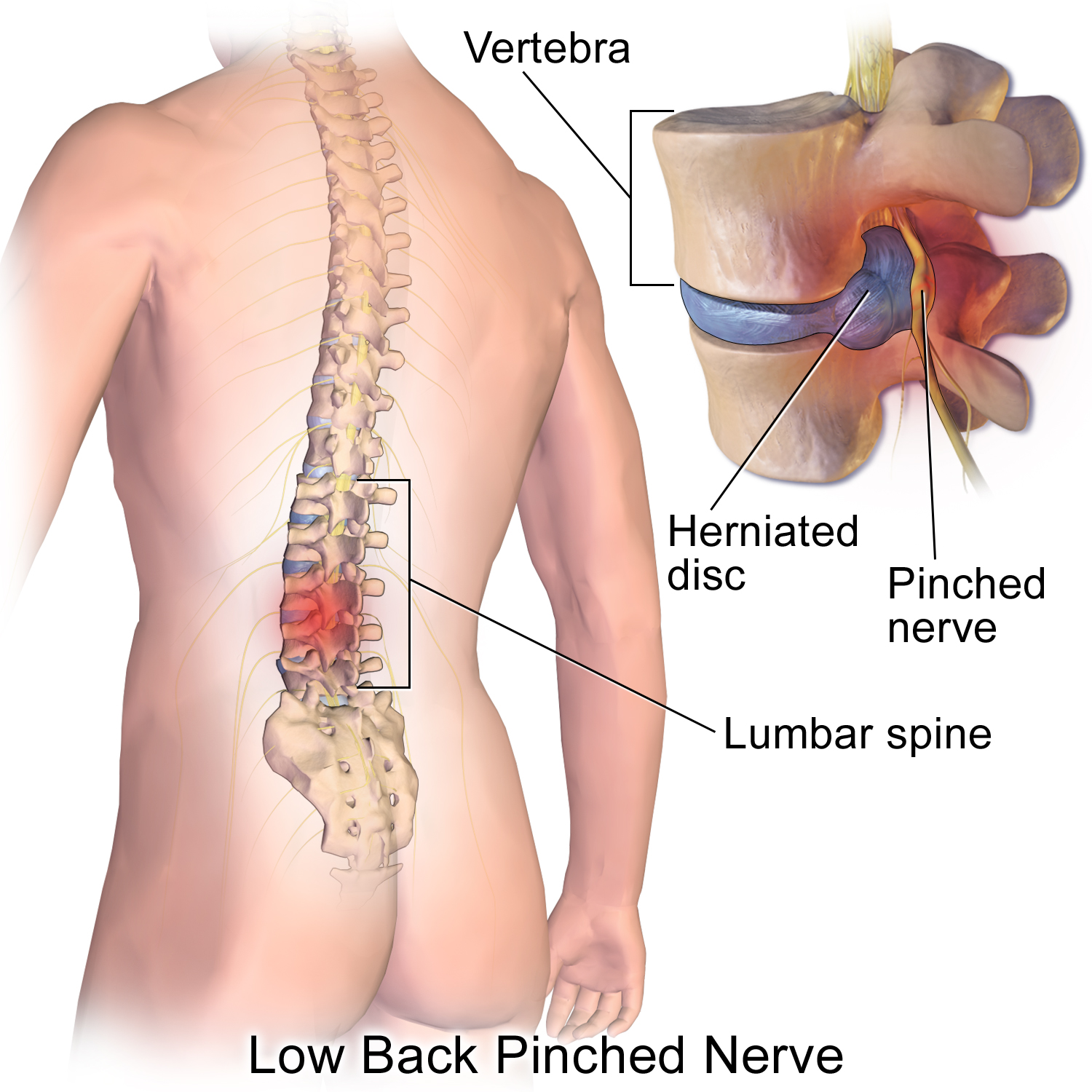
Some studies show that within a few weeks the painful disc herniation heals and in many cases the herniation of disc does not cause the patient any pain.
Now we saw the causes of back pain. Let's see what are the ways we can prevent low back pain.
So, firstly if you have a low back pain after an accident/ fall/ injury you need to schedule an appointment with your doctor to get checked out,but if you want to prevent your back pain or you just have a sore lower back you can do the following.
When we have pain we tend to take rest ,but it's actually the opposite. Movement is the best medicine. When we stay inactive our muscles can get tightened up which causes more pain,so stay active and do the normal activities as much as the pain allows & try out lower back stretches.
Stretching is very helpful, it reduces pain, loosen up the tight muscles , increases blood circulation & resolves spasms. A slow and gradual stretches should be done regularly to keep your back healthy .
Bridges :

STEP 1 : Lie on your back
STEP 2 : Knees bent,feet touching the floor
STEP 3 : Raise hips (keep the back straight)
STEP 4 : Line your back with your knees & shoulder.
STEP 5 : Hold it for 5 seconds and repeat it for 8-10 times
Knee to chest :
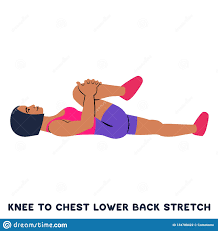
STEP 1 : Lie on your back
STEP 2 : Feet flat on the ground
STEP 3 : Bend the right knee and bring it towards your chest keeping other leg on ground.
STEP 4 : Hold it for 15-30 seconds, repeat 4 times each leg
Superman exercise:

STEP 1 : Get into quadruped position
STEP 2 : Keep your back straight and abdominal (ab muscles ) muscles tight
STEP 3 : Extend the right leg straight back of you.
STEP 4: Extend the left hand in front, make sure you have a good balance if not then keep 2-3 pillows each side & do this exercise on floor rather than on couch or bed.
STEP 5 : Hold that position for 5 seconds before lowering down, repeat for 8-10 times
Pelvic Tilt :
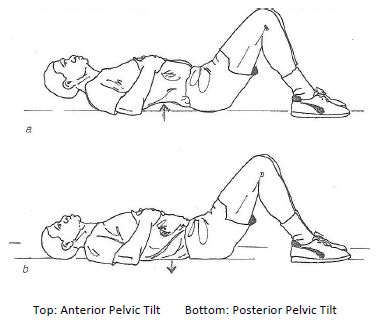
STEP 1 : Lie on your back
STEP 2 : Knees bend
STEP 3 : Press the lower back against the ground
STEP 4 : While exhaling (breathe out) tilt the waist backwards
STEP 5 : On inhalation (breath in) release the lower back from the ground by tilting the waist forwards
Physiotherapy for Low back pain :
Not all back pain are same,even if you do the proper stretching and still the pain doesn't wave off you should consult a physiotherapist.
A physiotherapist will find out the root cause of the pain and will design indiulize exercises protocol according to your condition.
But it's always better to consult a physiotherapist prior rather than waiting for the pain to be unbearable.
Sources :
