

Breathing exercise in pregnancy are very important as it helps to reduce the stress and pain from the labor
- Antenatal exercises aim at improving the physical and psychological well-being of an expected mother for labor and preventing pregnancy-induced pathologies by various physical means.
- During the first trimester, pregnancy brings certain changes in the body for example morning sickness, fatigue or low energy levels, nausea and increased secretion of the relaxin hormone.
- Exercise helps to overcome these changes and improves the mood and energy level of the mother.
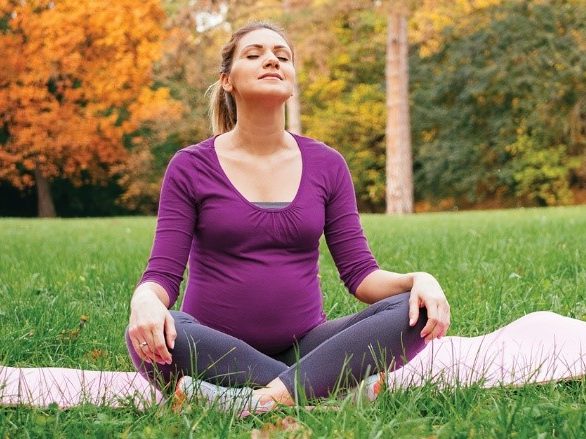
A variety techniques such as relaxation, breathing techniques, positioning/movement, massage, hydrotherapy, hot/cold therapy, music, guided imagery, acupressure and aromatherapy are available to women going in labor.
- The reason being your body needs an adequate supply of oxygen to meet the requirements of your growing baby and for the optimum functioning of your body.
- Adequate supply of oxygen aids in baby's growth and development process and provides the fetus with the required nourishment. Hence correcting one’s breathing techniques and pattern becomes necessary.
Breathing Exercise in Pregnancy
For expecting mothers, finding ways to comfortably and deeply breathe can be a challenge. As pregnancy moves further along, an expecting mom’s belly expands and her baby takes up more space within her abdomen.
This can cause discomfort for many expecting women. By practicing deep, slow breathing techniques, the pregnant women may be able to reduce tension and relax mentally, putting them in a more mindful state of well-being, which can be beneficial to both mom and baby.
Breathing exercise in pregnancy
- Are a form of exercise that can be used for a variety of health related reasons as to enhance the respiratory system by improving ventilation strengthening respiratory muscles
- Make breathing more efficient and for stress reduction. Breathing is one of the simple, cost effective non-pharmacological techniques, which connects the mind and body.
Breathing Techniques in pregnancy
Breathing techniques can interrupt the transmission of pain from the uterus to the brain by decreasing sympathetic activity and providing emotional regulation. Slow and deep breathing has been encouraged during labour to increase relaxation and decrease pain.
How to do Breathing Exercises
Deep diaphragmatic breathing, slowed inhalation (~ 5 sec in duration) during the first stage of labour, shallow breathing during the active phases of labour, pursed-lip breathing during contractions, and the “pant-blow” technique during pushing in the second stage of labour.
Five breathing patterns were introduced namely- cleansing breathing for relaxation, slow-paced breathing, modified-paced breathing and patterned-paced breathing. These patterns were used during and following contractions. Gentle pushing, and breath-hold during pushing were instructed during the second stage of labour which encouraged descent of the baby.
At 36 weeks of gestation an educational video explaining five patterns of breathing exercises or one to one practioner, trains women. Study suggested that breathing patterns when done regularly during the antenatal period as well as the active phase of labour had a positive impact on outcomes of labour.
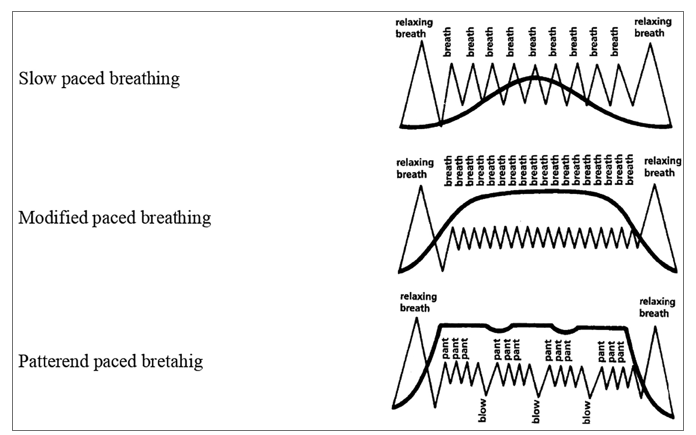
Breathing Exercise in Pregnancy revealed various beneficial effects like reduction in preterm birth, longer gestational age, increase in birth weight, reduction in the rate of caesarean birth and assisted vaginal birth.
Four most commonly breathing exercises every pregnant woman proved to be beneficial are as follow:
- Breathing from your stomach
- Breathe from your chest
- Shallow breathing
- Alternate deep and shallow breathing
Hence Breathing Exercise in Pregnancy and labour period can help you up your oxygen intake, improve your circulation and help your body function better to provide your baby with enough nutrition and oxygen. However, keep in mind that the benefits of these breathing exercises can be more beneficial if coupled with Pranayam and yoga.
Source:
- Medical dictionary Breathing exercises
- Emotional health for parents during pregnancy and after birth
- Effectiveness of antepartum breathing exercises on the outcome of labour: A randomized controlled trial, 2022
- The effectiveness of breathing patterns to control maternal anxiety during the first period of labor: A randomized controlled clinical trial. Complementary therapies in clinical practice. 2017 Feb
Cura Advanced Physiotherapy has Physiotherapists well trained in handling pregnant women helping them with their Prenatal and Postnatal care. Starting from the medically conceiving methods and pre-birth care of child to the birth and postnatal care everything you are looking for is provided at Cura Advanced Physiotherapy in collaboration with Delight Women's Hospital.
