

Once you’ve recovered, it’s tempting to jump back into full training. However, a gradual return is crucial to avoid re-injury.
Start with low-intensity workouts and progressively increase the intensity, volume, and complexity of exercises.
Plan:
- Begin with basic movements and light resistance.
- Include rest days to monitor how your body responds.
Injuries are an inevitable part of sports player life. Whether it’s a minor sprain or a severe muscle tear, proper recovery is crucial for getting back in the game stronger than ever.
Here are some proven recovery techniques for sports players.
1. Rest and Active Recovery is very important for sports players
- Rest is the first and most critical step in any recovery process. However, complete inactivity can lead to muscle atrophy and stiffness.
- Once the initial inflammation and pain subside, active recovery strategies like light stretching, low-impact exercises, and swimming can help maintain mobility without putting undue stress on the injury.

Tips:
- Start with gentle range-of-motion exercises.
- Gradually increase activity intensity as pain decreases.
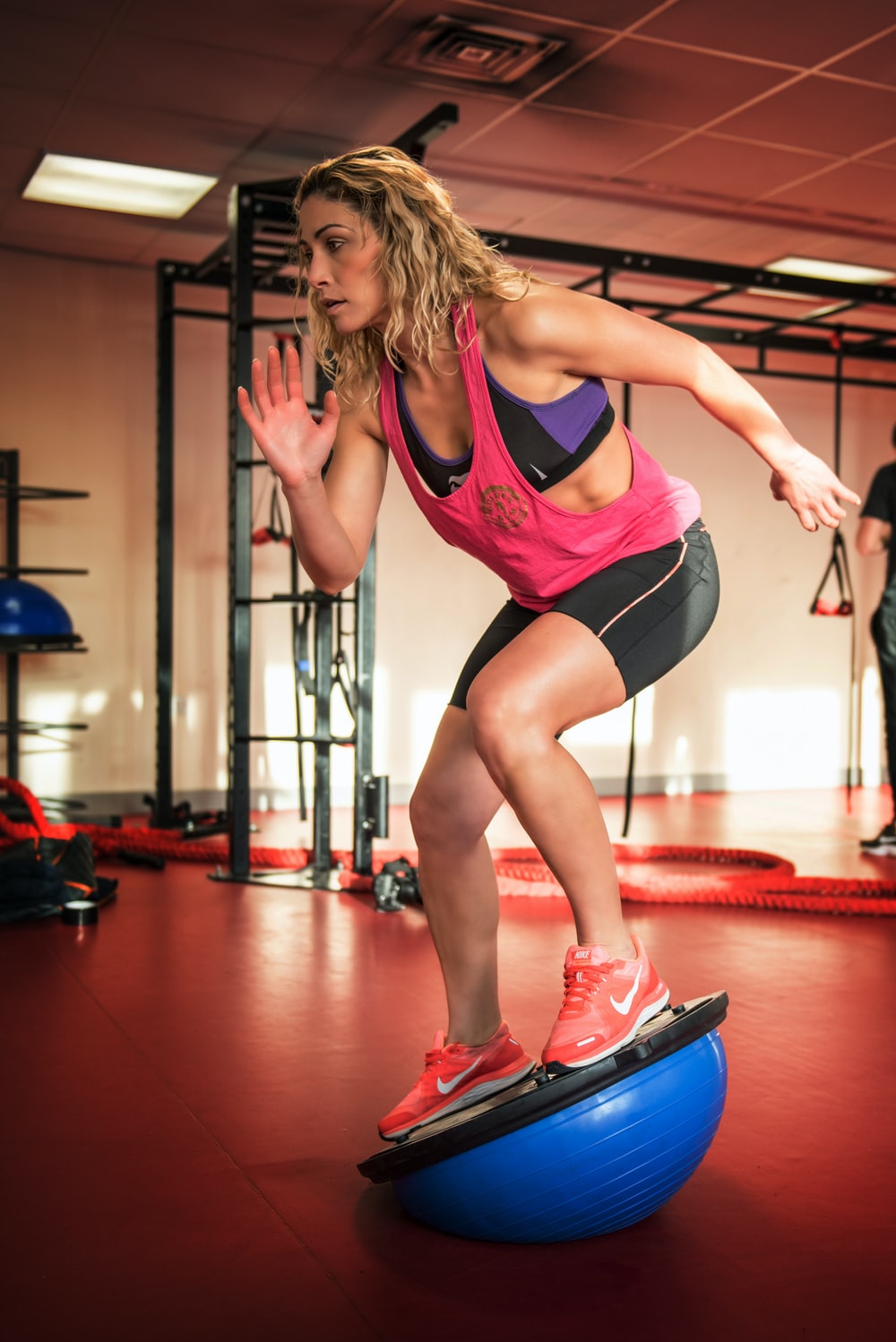
2. Physiotherapy plays a crucial role in sports players life.
A physiotherapist can design a personalized plan that focuses on strengthening the injured area, improving flexibility, and restoring full function.
Benefits:
- Customized exercises tailored to specific injuries.
- Professional monitoring of progress and adjustment of exercises.
3. Cryotherapy and Heat Therapy
- Cold therapy (cryotherapy) is effective in reducing inflammation and pain immediately after an injury in sports players.
- Ice packs, cold compresses can help minimize swelling and numb the area.
- Heat therapy, on the other hand, is beneficial in later stages to increase blood flow and relax tight muscles.

When to Use:
- Use cold therapy within the first 48 hours post-injury.
- Use heat therapy after 48 hours to alleviate stiffness.
4. Compression and Elevation
- Compression can help reduce swelling and support the injured area.
- Use elastic bandages or compression garments to provide consistent pressure.
- Elevation helps drain excess fluids from the injured area, reducing swelling and discomfort.

How to Apply:
- Wrap the injury but not too tight to avoid cutting off circulation.
- Elevate the injured limb above heart level whenever possible.
5. Nutrition and Hydration
Nutrition plays a pivotal role in recovery for sports players. Protein is essential for muscle repair, Staying hydrated is equally important, as dehydration can slow down the healing process.

Recommended Foods:
- Lean proteins like chicken, fish, and plant-based sources.
- Leafy greens, fruits, nuts, and whole grains for a balanced intake.
6. Massage and Soft Tissue Therapy
Massage therapy helps in breaking down scar tissue, improving blood circulation, and reducing muscle tightness in sports players.

Types of Massage:
- Deep tissue massage for chronic injuries.
- Sports massage to improve flexibility and prevent future injuries.
7. Mind-Body Techniques is important for sports players.
Mental health is often overlooked during recovery. Techniques such as meditation, yoga, and deep-breathing exercises can reduce stress, improve focus, and accelerate the healing process.

Practice:
- Set aside time daily for meditation or breathing exercises.
- Use visualization to mentally rehearse your return to sport.
8. Gradual Return to Training
- Once you’ve recovered, it’s tempting to jump back into full training.
- However, a gradual return is crucial to avoid re-injury in sports players.
- Start with low-intensity workouts and progressively increase the intensity, volume, and complexity of exercises.

Plan:
- Begin with basic movements and light resistance.
- Include rest days to monitor how your body responds.
